
Carry-out is taking on a whole new meaning for the dining public. In today’s busy, on-demand world, people want to enjoy restaurant-quality food off-site: at home, at the office, on the road or wherever it’s convenient. Our experts take a look at this revolution, examining the operational and culinary angles you need to know for profiting through portability and meeting consumers’ desires.
Today’s consumers have access to more food in more places than ever before, and that means restaurants have more competition for consumer dining dollars.
Supermarkets like Whole Foods are fashioning themselves into “grocerants,” offering made-to-order delicacies and wine bars in addition to groceries. Convenience-store patrons can pick up freshly prepared sandwiches and sushi when they pull in for gas. Companies like Blue Apron deliver complete meal-kit solutions directly to a customer’s front door.
How does a restaurant operator thrive in this new competitive landscape? First, understand what’s driving the proliferation of new dining options, then leverage your strengths to capitalize on a rapidly growing opportunity.
Bringing it home
Restaurants focus on providing a quality on-site dining experience. Conversely, newer foodservice alternatives are all about empowering consumers to enjoy fresh, high-quality meals at home. Grocerants often offer seating areas for on-site consumption, but they’re still doing a bang-up business in takeaway meals.
How big is the market for foodservice meals on-the-go? The average consumer eats more than 13 meals a week at home, according to foodservice research firm Datassential. That number may be on the upswing due to such factors as increasingly busy lifestyles, rising restaurant prices and new technologies that ease food ordering and delivery.
We live in a customizable age, when a few swipes on our cell phone can bring just about anything we can imagine to our front door any time we want it. It’s no surprise that we’re coming to expect that same kind of convenience when it comes to food.
A portable primer
This has huge implications—and huge profit potential—for restaurant operators. We’re going to cover this topic from a number of different angles in the months to come. This issue we’re zeroing in on what full-service operators need to consider when it comes to the portability of their offerings. How can you enhance the ability of customers to enjoy your food at home?
Analyze your menu. Full-service operators have traditionally made everything on their menus available for takeout and/or delivery. This may not be the best strategy if you want to protect the integrity of your brand, because not every food item travels well. See the Culinary Perspective for Chef Gerry’s recommendations for portable menu items.
Think outside the menu box. People consume meals throughout the day, not necessarily according to your predetermined hours for breakfast, lunch and dinner. Consider incorporating appropriate selections from these different dayparts into a takeout/delivery menu that is always available. Breakfast tends to be one of the most portable meals; how can you scale your breakfast dishes for later in the day? Make sure you include snacking options, as they continue to drive more and more restaurant visits.
Adjust your marketing. People interact with foodservice meals in different ways—for simple sustenance, to replace meals they’d otherwise have to prepare for themselves and to enhance socializing. Meal replacement is more important during the week and socializing takes precedence on the weekends. Think about how to market and package meals to appeal to these different mindsets. How can you make it easier to access your food at the end of a workday? How can you enhance the “fun factor” for groups gathering at home to share a meal?
Meet customers where they are. This business always has been about welcoming people into your restaurant; now it’s also about getting people to welcome you into their homes. Online ordering, third-party delivery services and curbside pickup can help facilitate this process.
When it comes to portability, the bottom line is this: You need to deliver the same quality experience outside your restaurant as you do within it. Doing so gives you a big advantage over your new competition.
The Culinary Point of View
From a culinary perspective, choosing menu items that will transport well is essential to a successful takeaway program.
Many full-service operators offer their entire menu for takeaway. But the fact is, some food items travel better than others. Some don’t travel well at all. Analyzing your menu for portability is all about identifying dishes that can deliver a quality experience to your customer at home.
Here is a brief overview of some things that work well and others that don’t.
Bone-in meats. There’s a reason rotisserie chicken is one of the best-selling take-home dishes; the entire skeletal structure of the animal retains heat and moisture, delivering a superior flavor experience. Bone-in beef, pork and lamb cuts also travel better than their boneless counterparts. They’re also more forgiving if a customer reheats them at home. So think some kind of Kansas City chop rather than a strip steak.
Braised items. Bone-in cuts are also preferable to less tender cuts of meat. Pork shank, lamb shank and ribs are great examples. If you want to do a boneless meat—say, for a pot roast or beef bourguignon—opt for a large whole-muscle meat as opposed to something like a beef shoulder. In general, larger pieces are better than smaller pieces when it comes to takeaway dishes.
Vegetables. Cooked, unsauced green vegetables like broccoli and asparagus tend to gray very quickly, so it’s best to reserve them for your dine-in menu. Vegetable sides really require some kind of coating—like a generous amount of butter—to transport well. Of course, vegetables work very well in stews, au gratins and stir fries. Twice-baked potatoes are preferable to conventional baked potatoes.
Soups. Ready-to-eat soups are ideal for takeaway. Just make sure you have a container that will hold the heat.
Pastas. Noodle dishes generally hold well, but baked casserole styles are best—lasagna, macaroni and cheese and penne risotto, for example. Tomato- and meat-based dishes work better than cream-based dishes like fettuccine alfredo, which tends to coalesce and congeal in a fairly short time. Be sure to include extra containers of sauce with pasta dishes.
Stir fries. We’re seeing a lot of interesting mash-ups in this category of late, combining traditional fried rice with a host of non-Asian ingredients. They’re great candidates for takeaway, as are more conventional rice bowls and noodle bowls. Ramen bowls are incredibly popular right now, and you can offer them with a wide variety of toppings from meats to eggs to vegetables. Invest in smaller containers to hold the separate ingredients so customers can “assemble” the dishes at home. An instruction sheet can add fun and sociability.
Sharing plates. Speaking of sociability, many items in this category lend themselves well to takeaway. Charcuterie, cheeses, crudités and spreads are great. However, I’d caution you away from toast, bruschetta, crostini and the like; unlike pizza, it’s tough to maintain the integrity of these smaller bread pieces. You should also avoid fried balls like croquettes and arancini.
Fried foods. Fried foods in general are problematic, though fried chicken can certainly work as long as you have properly vented packaging. The right packaging is key to making your program work! Again, the larger the piece the better; so if you feel you must offer fries, consider thick potato wedges cut lengthwise.
Deconstructed dishes. Those artfully composed dishes you serve in your restaurant are likely to shift into an unrecognizable heap on the way to a customer’s home. That doesn’t mean you can’t or shouldn’t offer them, especially if they’re integral to your brand differentiation. Just package them in separate or compartmentalized containers.
Choosing menu items that will transport well is essential to a successful takeaway program. You may find that you need to add items you don’t currently offer. If they prove successful, consider adding them to your regular menu.
Packaging considerations
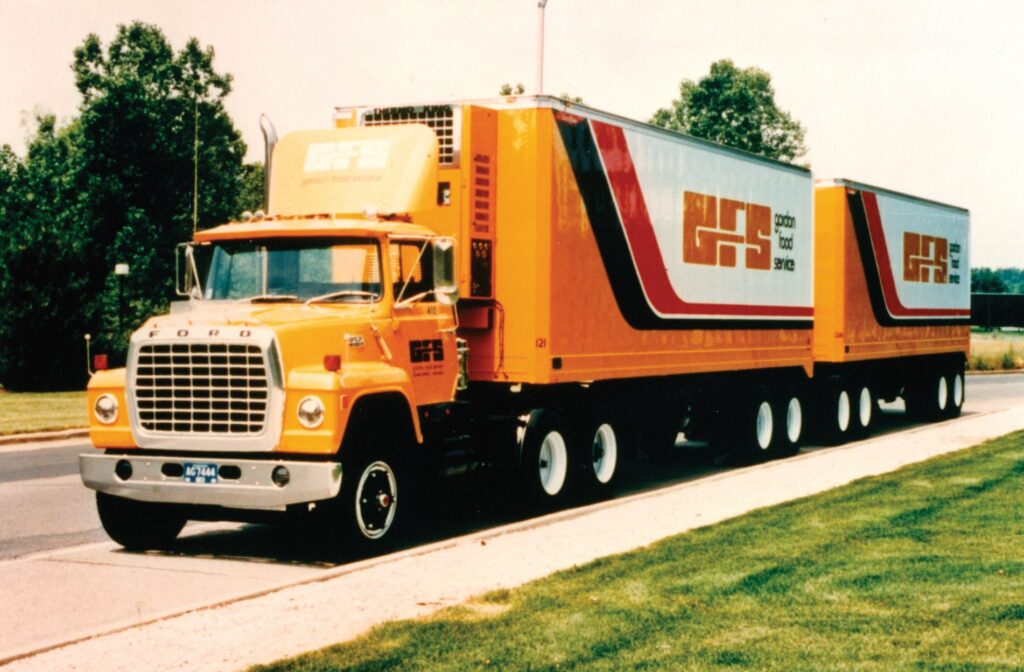
“Packaging needs to carry and enhance food, ensure food safety and reflect well on a restaurant’s brand,” says Steve Weitzman, North American Category Manager for Packaging and Serviceware at Gordon Food Service. He says restaurants are trending toward:
Polypropylene. Today’s most common takeout packaging comes in many shapes and sizes, with or without compartments. It retains heat and cold very well and goes from the freezer to the oven, maximizing customer convenience.
Paper and molded fiber. “Anything that looks like kraft paper is hot because it’s associated with sustainability—even if it’s not really compostable,” Weitzman says. These containers are typically very strong and cut-resistant.
The opportunity, by the numbers
Morgan Stanley Research projects the U.S. food delivery market is about to explode.
- Now: $11 Billion
- Future: $210 Billion
- 70% of consumers will be ordering food off restaurant premises in 2020.*
- 30% of consumers say technology makes them dine out or order in more often.*
- 49% of consumers would buy meal kits to prepare at home if their favorite restaurant offered them.*
*Source: National Restaurant Association 2017 Forecast