There’s never a bad time to generate a healthy buzz about food and beverage offerings. This may be the perfect time to let mobile carts deliver exciting food choices, hydration and socialization at nursing homes or senior living communities.
Mobile carts are not a new idea, but they’ve accelerated into something much different than traditional pop-up food stations or movable buffets. Think of them like an in-house food truck, with colorful edibles, signage, fun themes and something new to enhance the between-meal experience.
With drinks, seasonal treats and edible specialties, you boost calorie consumption and hydration levels for residents who need it. You also make personal connections and increase satisfaction. Get your community rolling along the path to variety and creativity by understanding the benefits of mobile carts.
Are mobile carts right for us?
The pandemic forced everyone to rethink food delivery. Senior living was not immune. Dining room restrictions prevented self-service, buffet lines and communal gatherings. Serving stations, table delivery and room service became necessary.
Moving forward, mobile carts are a solution—a positive improvement on care that makes food personal, according to Gordon Food Service Business Solutions Specialist Rayona Baker.
“You can take the food to wherever they’re at, like an activities room or common room,” she says. “You move food toward the guests, and they get the aroma and anticipate the choices— it’s more fun and exciting.”
No two carts ever have to be the same. In the morning, offer drinks and snacks. At midday, it can be finger foods. In the evening, try desserts. Mix it up from day to day.
“You’re never locked into one option, and you can even repurpose leftovers,” Baker notes. “Mobile carts add a touch of hospitality to foodservice.”
What are the advantages of mobile carts?
Hospitality using mobile carts is a step in the right direction to improving nutrition and hydration, says Gordon Food Service Business Solutions Specialist Maria DeNicola.
“During the pandemic, so many people were suffering from weight loss and malnutrition,” she recalls. “Perhaps it was the isolation. If you have a cart, you get interaction between residents and staffers. That connection makes sure they get choices and satisfaction.”
And as people are able to socialize more, you want them talking about your food. The anticipation and excitement of a visit by a mobile cart filled with goodies can improve satisfaction on your Quality Assurance and Performance Improvement score. That’s something a business can use in marketing, which can boost resident population count.
Having a mobile cart between meals increases consumption and reduces waste. It also cuts down on the worry about residents who don’t have big appetites in the dining room.
“Many communities give residents a menu and have them choose meals a week ahead of time, but how are you supposed to know what you’ll be hungry for later in the week?” DeNicola asks. “Mobile carts get food closer to the point of service so residents can decide what they will eat.”
If the fish that sounded great on Monday doesn’t hold the same appeal on Thursday, your kitchen won’t prepare a plate that goes to waste. When people take food from a mobile cart, it’s more likely to be eaten.
What are some mobile cart options
Getting started with a mobile cart may seem expensive and daunting. Some carts have ovens, refrigerators, steam tubs, a sneeze guard … and it’s just not in the budget to buy one for each floor, wing or unit.
The advice, Baker and DeNicola agree, is to start small. It’s a concept you can try in one area, perhaps with your population that’s at higher risk of malnutrition or dehydration.
It doesn’t take a Rolls-Royce cart to get rolling. Sometimes, it’s just a matter of being creative. In a pinch, a utility cart with a tablecloth will do. Or consider repurposing food tray delivery carts or or other mobile foodservice equipment. Once you have a cart, there are many possibilities:
- Beverage carts. Serve coffees, teas, juices, smoothies, mocktails or even cocktails.
- Snack carts. Provide packaged crackers, fruits, energy bars or muffins.
- Dessert carts. Offer fresh fruit, yogurt parfait cups, brownies, cookies or candy bars.
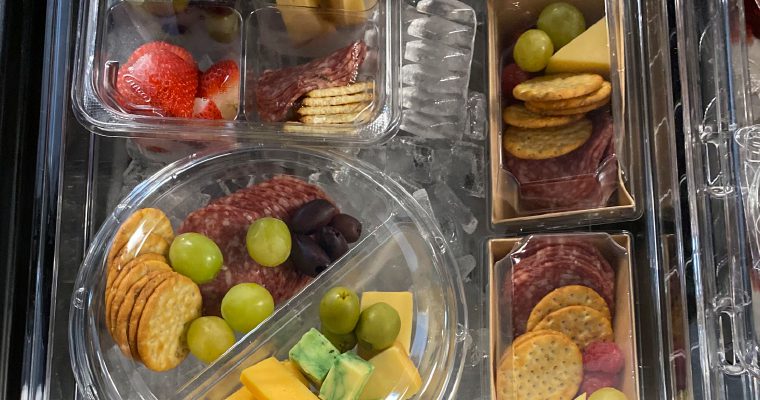
- Charcuterie carts. Supply cheeses, meats, olives, crackers, nuts, fruits and drinks.
- Theme carts. Have a game night or make it a movie night. Tempt them with buttered popcorn, nacho chips and cheese, soft pretzels, drinks and an invitation to mingle.
- Special occasion carts. Decorate for a barbecue, Mexican night or a patriotic or religious holiday.
Serving and making connections
Mobile food carts help your residents connect with food as you connect with them. Going through the hallways a couple of times a day with a food- or drink-filled cart brightens the mood.
To assure safety, involve the dining staff. They are trained to understand and maintain safe food temperatures and service practices. As an added plus, it connects residents to the people who prepare their food.
The dining services team is better able to answer questions about food and note food preferences much better than a nurse or nursing assistant, Baker says.
In the long run, DeNicola says, that makes mobile carts efficient. “Servers get to know what residents like and don’t like. And they’ll remember when they are setting up the cart that Mr. Jones prefers this instead of that, so the cart better serves its purpose.”
To learn more, check out “It’s Your Move,” the Gordon Food Service mobile cart guide, or ask your Sales Representative for ideas to get started.
Have questions? Click here to contact a healthcare food expert.